Tree Surveying in the North West
Here at IROSARB, we provide extensive tree surveying and reporting to our clients throughout the North West. We can carry out tree surveying and reports for any purpose, whether it be a development project, a residential homeowner or something else. We have years of experience in the industry and have the skills and knowledge needed to provide industry-standard tree surveying and reports. No matter what your tree surveying or assessment needs might be, we have you covered.
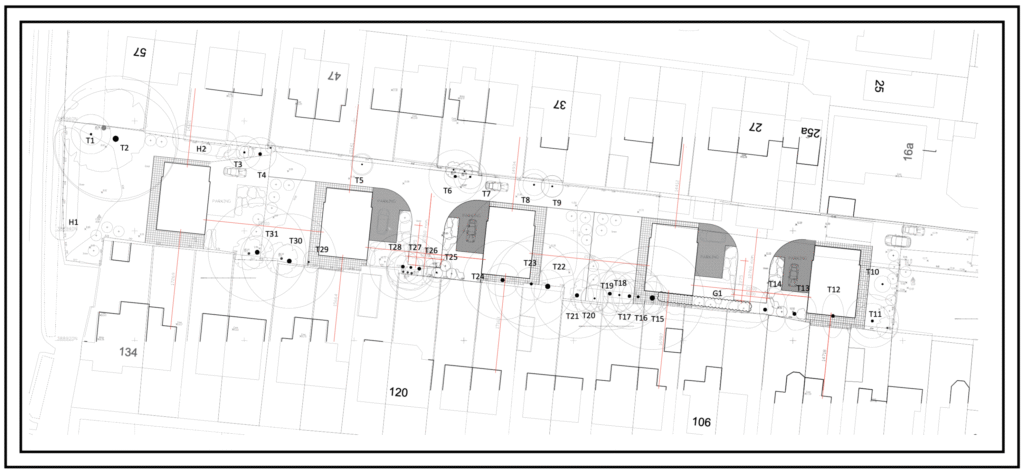
BS5837 Tree Surveying for Property Development and Planning Applications
Trees are an essential part of the property development and planning application procedures whether working on a small residential project or a large development site, it is important to include for a detailed arboricultural report from the initial identification of current tree stock through to implication of protective and creative measures to enhance and improve a local environment and increase beneficial amenity value. The Iros Arboricultural Survey for property development provides a comprehensive 24 point report covering the key requirements of BS5837 2012 which sets out the guidelines for providing arboricultural information required for planning procedures. These would include the following:
- Feasibility study including survey and categorization including initial soil assessment
- Design brief involving assessment of tree constraints and Root Protection strategies
- Conceptual design and impact assessment leading to review of potential tree loss and producing new planting proposals
- Method Statement providing schedules for works and setting out of protection measures
- Construction stages including site monitoring and post construction management
Accurate Drawings including Existing Site Plan (ESP), Tree Constraints Plan (TCP), Arboricultural Impact Assessment (AIA) and Arboricultural Method Statement (AMS) are provided by Autocad from DWG format. Where required, a Remedial Planting Strategy (RPS) is also included with Tree Species Selection so as to increase Amenity Value and Interest.
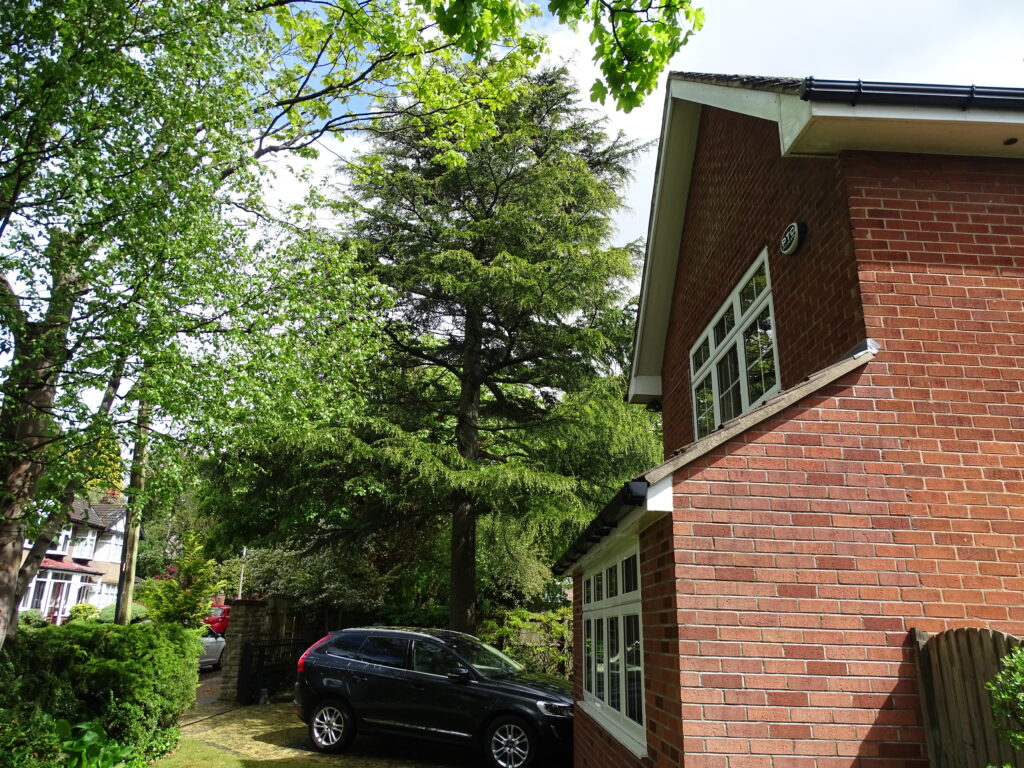
Tree Reports for Homebuyers and Mortgage Purposes
IROSArb provides professional assessment of relationship between tree and property structures consisting of a substantial 19 point report that considers the following issues:
- Tree species and dimensions
- Visual Tree Assessment
- Soil profile report
- Clay profile sampling with plasticity testing if required
- Subsidence risk assessment due to indirect root influence
- Tree preservation orders and conservation area status
- Recommendations for remedial works if required
Contact IROSARB Today
If you’re in need of any of the services we offer or if you’d like more information, then be sure to contact us. We are always on hand to assist.
Three ways which trees can impact on building structure
Despite common misconceptions, the most important issue with regards to tree roots and buildings is that of indirect influence. This relates to the influence of tree roots and moisture conductivity affecting shrinkable clay subsoils such as Smectite or Bentonite profiles. These clays consist of two tetrahedral layers with a central octahredral layer. These clays have an immense capacity to absorb moisture and as a consequence have the ability to swell and shrink. This is called Soil Plasticity and IROSARB are able to carry out plasticity measurement where clay may be present. The issue regards to tree proximity is that the moisture taken out of the soil can lead to an imbalance in moisture levels and a permanent moisture deficit resulting in uneven shrinkage and thus consequential subsidence.
Direct damage is largely limited to landscape structures such as paving, tarmac and low walls. Often soils under hard landscape tend to be too compacted for root growth and thus primary growth of roots would be found close to the surface. As these roots develop secondary or radial growth, they can exert pressure of approximately 800kPa which would equate to some 2.4kN. The downward pressure of a concrete paving slab would be approximately 130N, hence radial root growth can generate some 10 times the pressure needed to cause movement.
However a wall structure 2m high by 11cm thick would exert a downward pressure due to weight alone of some 13.2kN. If it were possible for a secondary root growth of 10cm diameter to infiltrate under the foundation structure, the radial force exerted would be approximately 8.8kN. Thus even if a root penetrated below foundations, which would be unusual due to compaction and anaerobic conditions the radial force would be far below that which would be needed to impact on the structure unless the tree is in immediate proximity to the building.
Proximity of trees to property can also lead to damage caused by tree structure failure. Trees as living organisms are subject to biotic, for example fungal decay, and abiotic disorders such as unpredictable storm damage. A tree report therefore needs to assess through preliminary visual review, any potential risk and any remedial measures.
Tree Preservation Orders and Conservation Area Applications
Detailed planning applications and negotiation for proposed tree works in areas covered by Preservation Orders and Conservation Area Status.
Why Choose Us For Tree Surveying in Cheshire West and Wirral District?
- Professional indemnity insurance
- CSCS cardholder
- Years of experience in the tree and forestry industry
- Local Certified Arborist
- Dedicated team on hand to assist
We work across the whole of the North West - Comprehensive and detailed tree surveys and reports
- We work with both individuals and businesses
- All work is carried out in a professional and thorough manner
Seasonal Tree Health Monitoring and Maintenance
Trees respond to seasonal changes in different ways, and spotting those shifts early can stop small issues from becoming costly problems. At IROSARB, we focus on regular seasonal checks as part of a practical plan to keep trees healthy and stable for the long term.
Spring: Early Growth and Damage Checks
In Spring, fresh growth begins, making it the best time to spot damage left by Winter, signs of pests, or fungal infections. Our arborists inspect for weak branch joints, splits, and the early stages of rot.
Summer: Managing Heat and Hydration
Summer brings heat stress and the risk of dehydration, especially in younger or recently moved trees. We advise you on correct watering routines and to look for signs like scorched leaves, mildew, or insect damage.
Autumn: Preparing Trees for Dormancy
Autumn is the time to get trees ready for colder weather. We check the root area, look for disease symptoms, and recommend pruning to help trees stay strong during winter storms.
Winter: Structural Work and Clearer Inspections
In Winter, while growth is paused, we carry out pruning and take down dangerous branches. With the leaves off, it’s also easier to spot problems that would usually be hidden.
Routine seasonal checks help avoid emergencies, reduce long-term damage, and keep your trees in good shape all year.
Tree Risk Assessments and Pre-Construction Surveys
Our arborists provide clear reports on tree species, health, and any risks to nearby infrastructure. We check for issues such as roots near pipes, trees blocking sightlines, or branches close to power lines.
Supporting Safe Construction with Compliance
We support early planning stages with impact reports and help during construction by installing barriers and making sure BS5837 guidelines are followed to reduce damage to trees.
Post-Development Management Plans
After the work is done, we offer long-term tree management plans that support safety, reduce risks, and keep the site in line with environmental rules.
From major road schemes to utility upgrades, we help make sure your project meets targets without cutting corners on safety or responsibility.
Common Tree Species in Cheshire West and Their Management Needs
Cheshire West and the Wirral have a wide mix of native and ornamental trees, each with its own value and care requirements. At IROSARB, we’ve compiled a quick guide to help residents, planners, and developers properly manage these species.
This large, long-lived native supports huge numbers of insects and birds. It grows wide, so it needs to be planted with care. Occasional crown reduction helps prevent issues near buildings.
Ash Dieback has caused widespread damage to this species. Regular checks are vital, and if signs appear, prompt removal helps reduce risk to people and nearby trees.
Fast-growing and often used in towns, sycamores can become invasive. They send out suckers and need trimming to control the shape and to watch for tar spot fungus or aphids.
Well-suited for gardens and borders, birch trees prefer soil that drains well. In compacted city soils, their roots can cause problems and may need careful pruning.
A low-maintenance evergreen is often used in hedges or shady areas. Though easy to manage, it still benefits from routine pruning to keep its shape and prevent dense growth.
Each tree type brings different risks and benefits. Our arborists build care plans around this knowledge to help trees stay healthy and suit their surroundings.
For Tree Surveying & Assessments in the North West Contact IROSARB Today
When it comes to tree surveying and assessments in the North West, be sure to make IROSARB your first port of call. With a wealth of industry knowledge and experience, we have the skills needed to provide a comprehensive tree survey and assessment service. We undertake all types of work and have helped with everything from planning applications to mortgages over the years. We are passionate about what we do and that’s why we work closely with our clients to ensure they fully understand the work being carried out and the information in the report. If you’re based in the North West and are in need of a tree survey, then be sure to contact us today and we’ll discuss your requirements in more detail.